
Dry fruits
Storing dry fruits through a Bhopal monsoon
Most dry fruit is thrown away because of humidity, not age. The fixes are small and they are not the same for every nut.
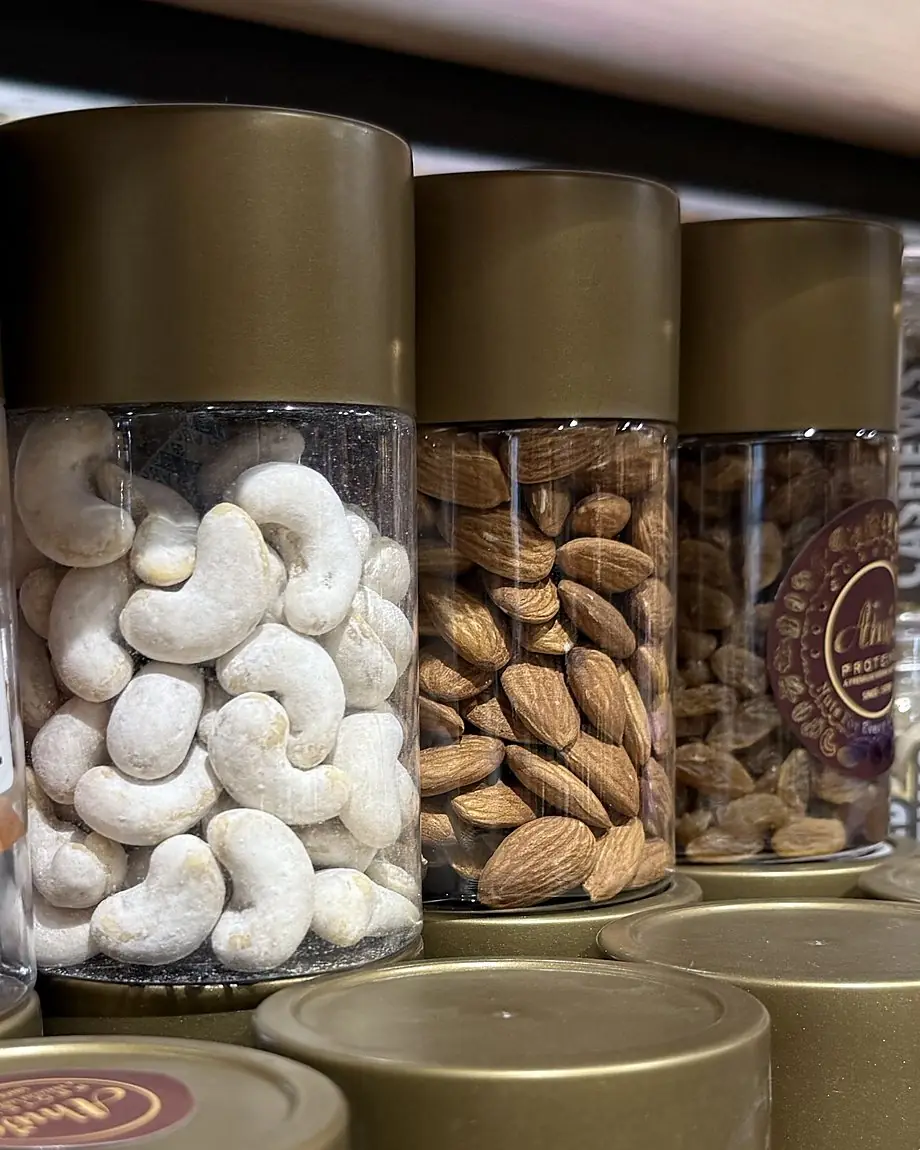
A kilo of almonds bought in June and opened in September has usually not gone off. It has gone soft, or it has picked up the smell of the masala box, or the oil in it has turned and it tastes faintly of paint. All three are storage problems and all three are avoidable.
Bhopal makes this harder than most places for about four months of the year. Here is what actually works, item by item, because the right answer genuinely differs.
The two enemies
Moisture is what makes things soft. It is the monsoon problem, and it affects anything crisp — biscuits, roasted namkeen, wafers, roasted nuts.
Heat and light are what make things rancid. Nuts carry oil, oil oxidises, and warmth speeds it up. This is a slower, quieter failure — nothing looks wrong, and then one day the walnuts taste bitter.
Almost every rule below is one of those two.
Airtight beats big
The single most useful habit is to store in the smallest container the quantity will fit. A half-empty jar is mostly air, and air in Bhopal in August is mostly water. Decant into something smaller as you work through it.
Steel or glass with a proper seal beats a bag with a clip. A tin beats a clear jar for anything where light matters.
What goes in the fridge
Not everything, and putting the wrong thing in there does harm.
Yes, refrigerate:
- Walnut kernels — the oiliest thing on the counter and the first to turn. This is the one that genuinely belongs in the fridge.
- Medjool and Ajwa dates — soft dates sweat in warmth and the sugar surfaces as a white bloom. Harmless, but avoidable.
- Any nut you have bought in quantity and will not finish within a month.
No, do not:
- Bread. This is the one everybody gets wrong. Refrigeration makes bread go stale faster, not slower. Seal it at room temperature, or freeze it — the freezer is fine, the fridge is the worst of both.
- Dry cakes, plum cake and fruit cake. Same reason. Airtight, room temperature.
- Motichoor laddoo. The cold hardens the boondi.
- Chocolate, ideally. Cool and dark is right; a fridge is cold and damp, and chocolate that has been in one often comes out pale. It is still fine to eat. It no longer looks like a gift.
Keep smells apart
Cashew, tea and coffee all absorb whatever is next to them, and Indian kitchen cupboards are full of things worth absorbing. Do not keep kaju next to the masala dabba. Do not keep tea anywhere near either.
Soft dates are worth keeping in their own box for the same reason.
In the shell, if you have the choice
Walnut in shell keeps considerably longer than the kernels do, because the shell is a container that has not been opened. Same for pista in shell. If you are buying for the winter rather than for the week, buy in shell and crack as you go.
How to tell it has gone
- Smell it. Rancid oil smells like old paint or crayons. It is unmistakable once you have noticed it once, and it is a reason to throw the batch out rather than pick through it.
- Soft is not spoiled. A soft biscuit or limp namkeen has taken on water. Five minutes in a warm oven brings most of it back.
- White bloom on dates or chocolate is sugar or fat coming to the surface. Cosmetic, not dangerous.
- Anything sticky, clumped and smelling of ferment — dried fruit that has actually spoiled — goes in the bin. Do not rinse it and hope.
The honest conclusion
Buy smaller quantities more often. That is the whole answer, and it is the one piece of advice in this post that is against our own short-term interest, so you can take it as sincere. Dry fruit is not a thing to stock a year of. A month's worth in a sealed tin, kept cool and dark and away from the masala, will taste like what you paid for. Six months of it in a bag on top of the fridge will not.